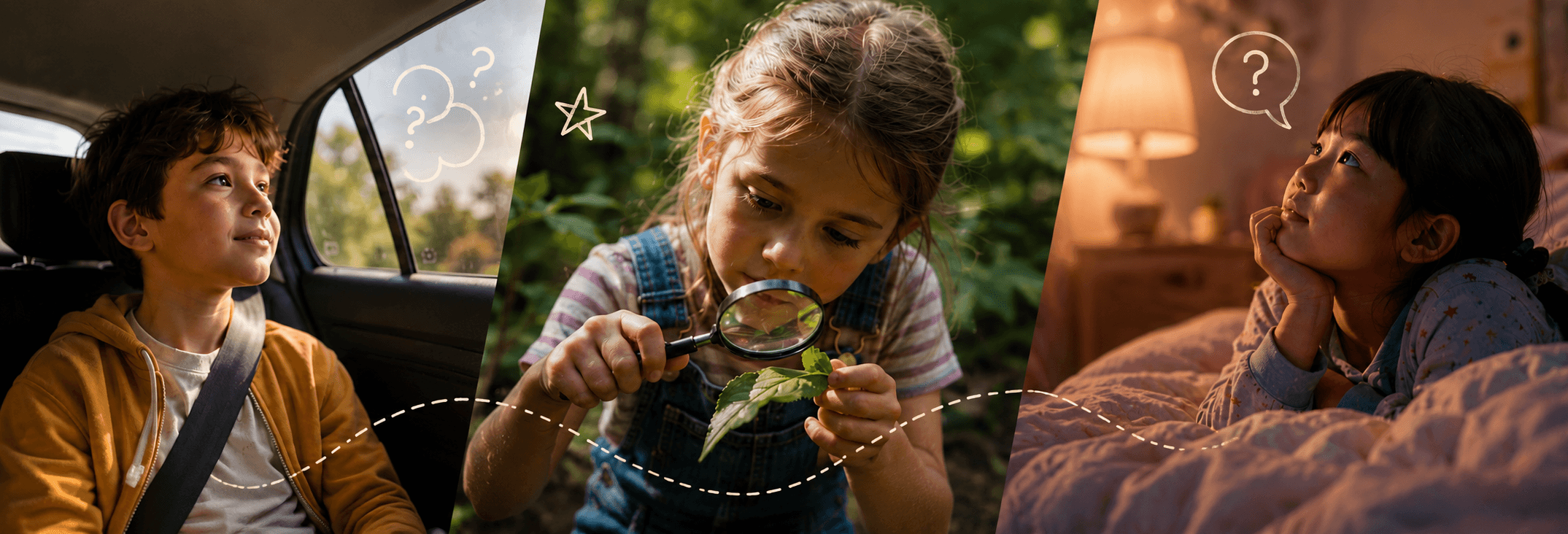

Why don't I remember
being a baby?
A 7-year-old asked this.
A curiosity-first app for kids 7 to 14.
Built to catch the questions that usually disappear.
Role
UX/UI Designer
Duration
4 Months
Domain
Ed-Tech
CHALLENGE
73 Questions A Day,
Most Disappear.
Kids ask up to 73 questions a day, often at the wrong time, in the car, before bed, or right before school. Without a place to capture them, those sparks fade, questions are forgotten, and learning moments are lost.
Up to 73
questions a day
Most come at
the wrong time
Curiosity fades
when not captured
Lost questions
mean lost learning
SOLUTION
A place where answers build curiosity.
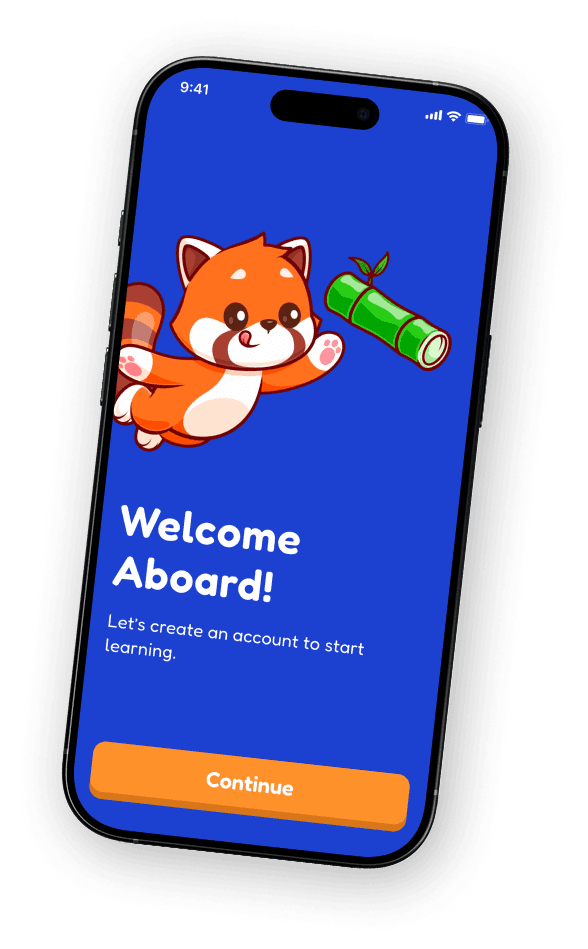
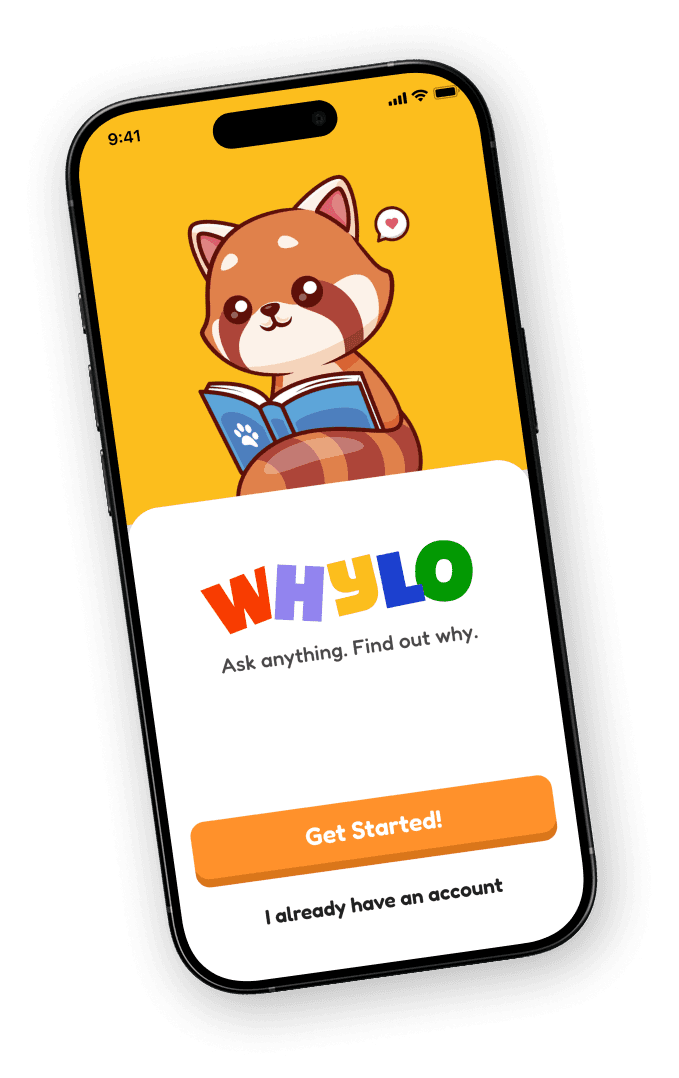
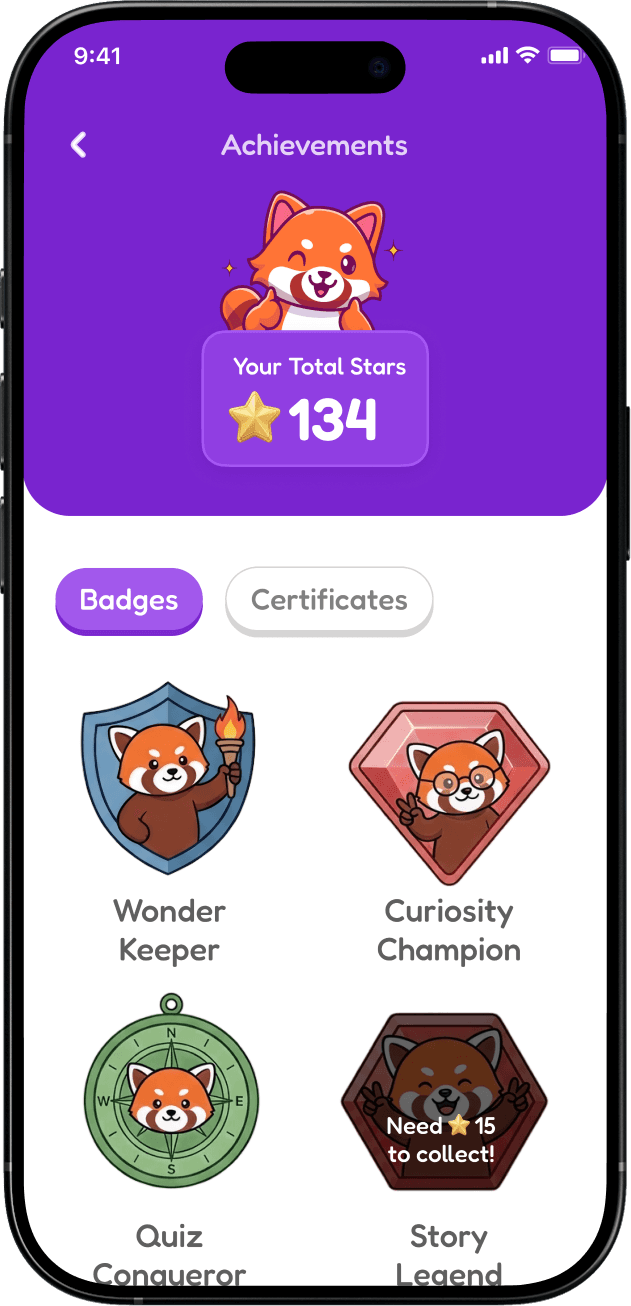
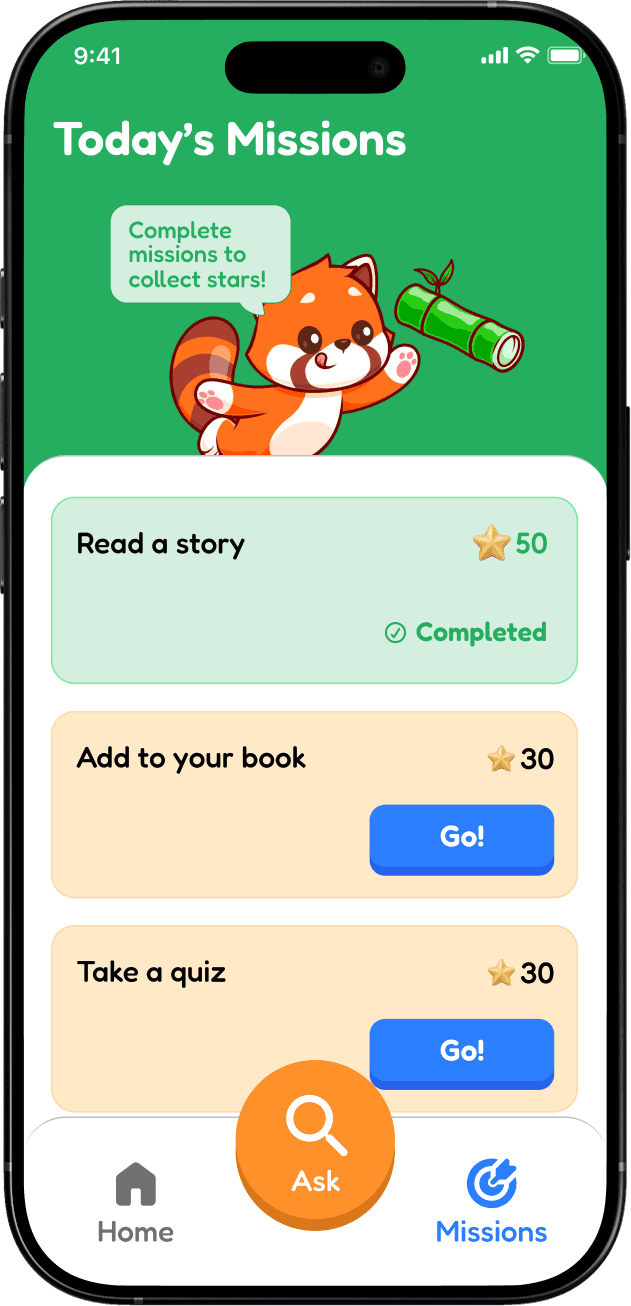
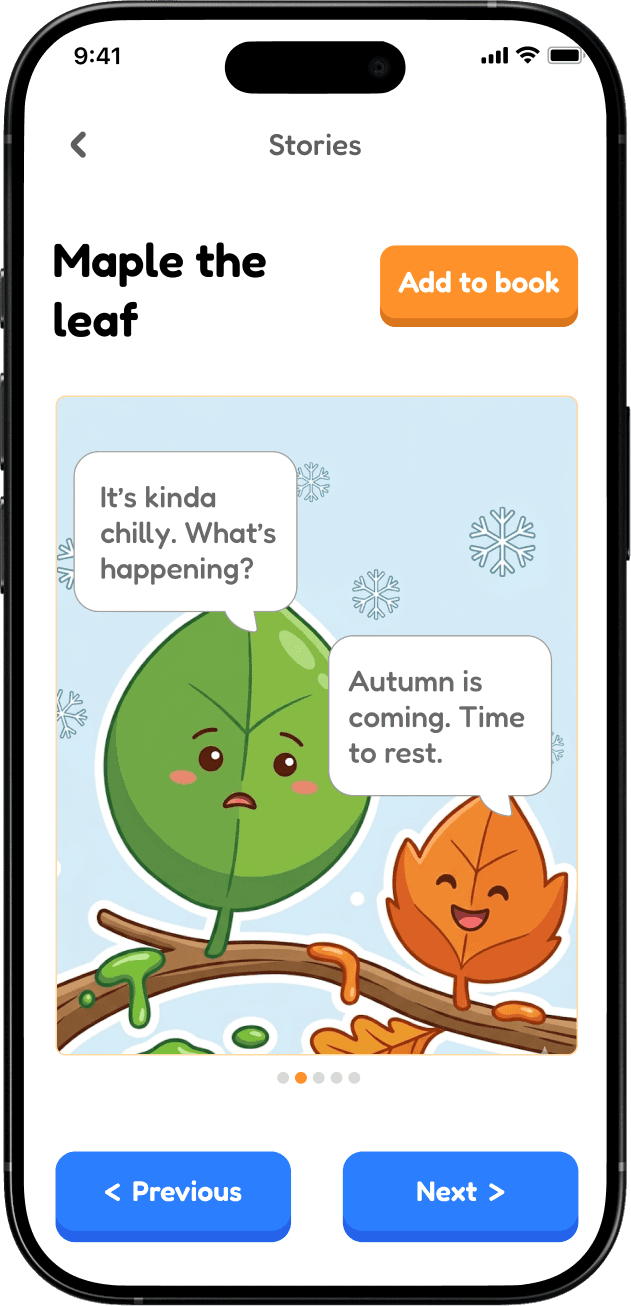
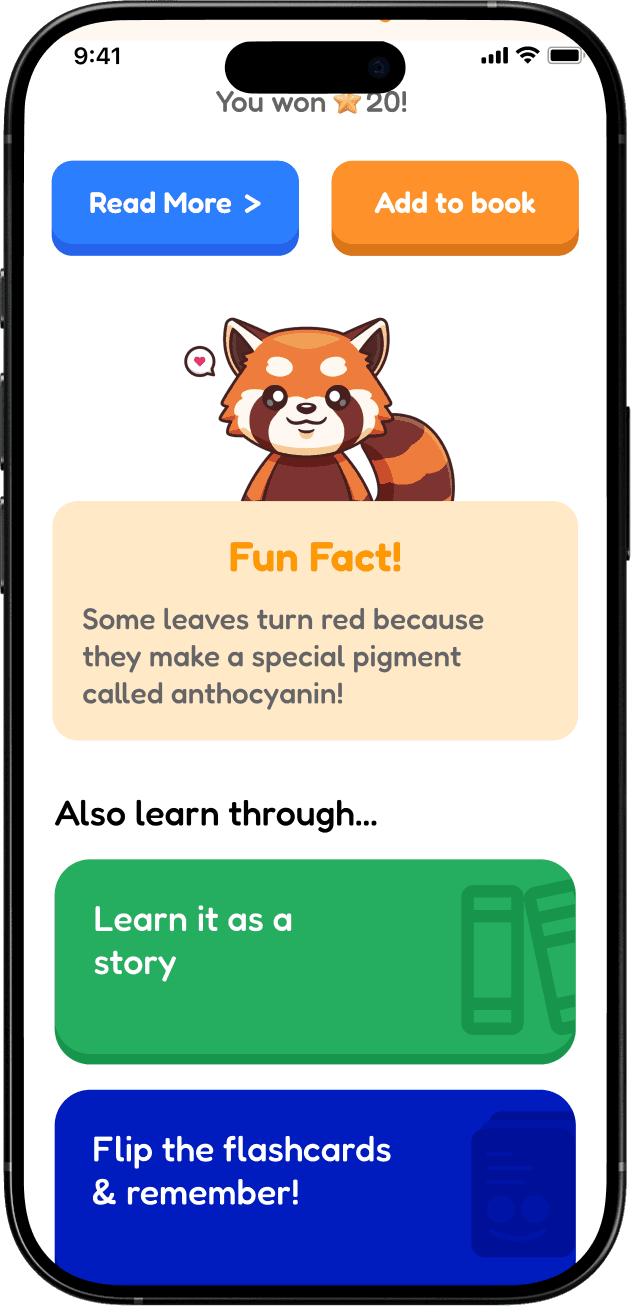
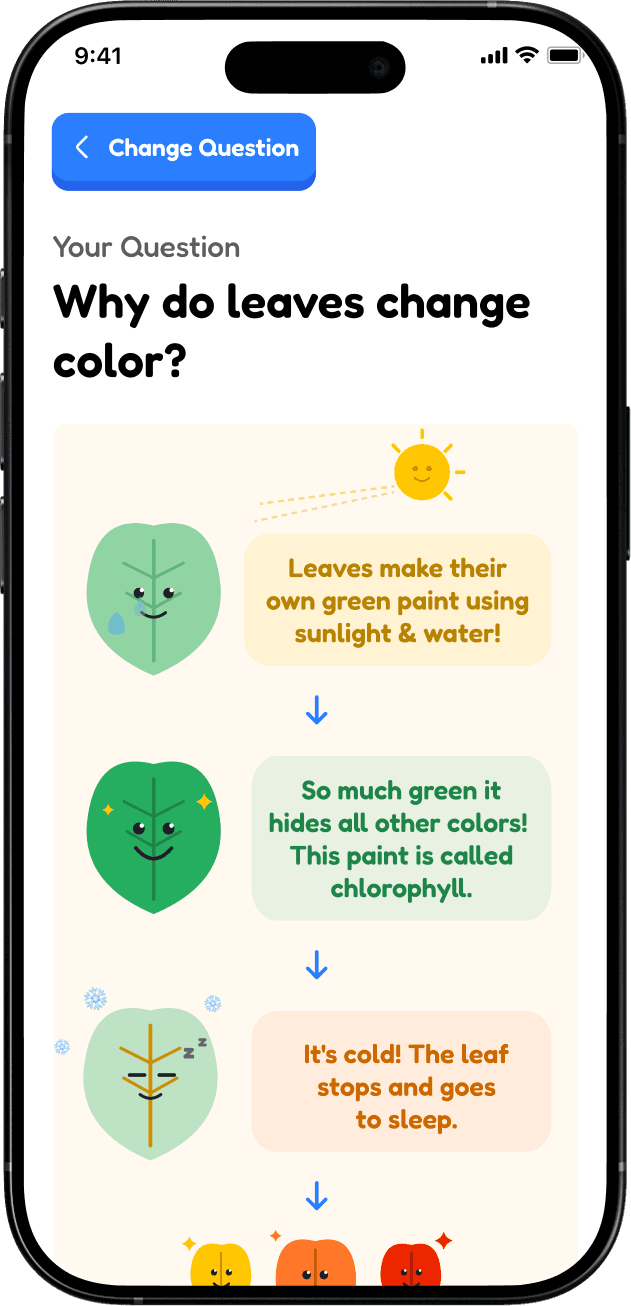
Whylo gives kids a safe, friendly space to ask anything by tapping the orange mic, speaking, or typing. They get clear, kid-friendly answers in seconds and can save each discovery in My Book, where they earn stars, build streaks, and collect curiosity badges.
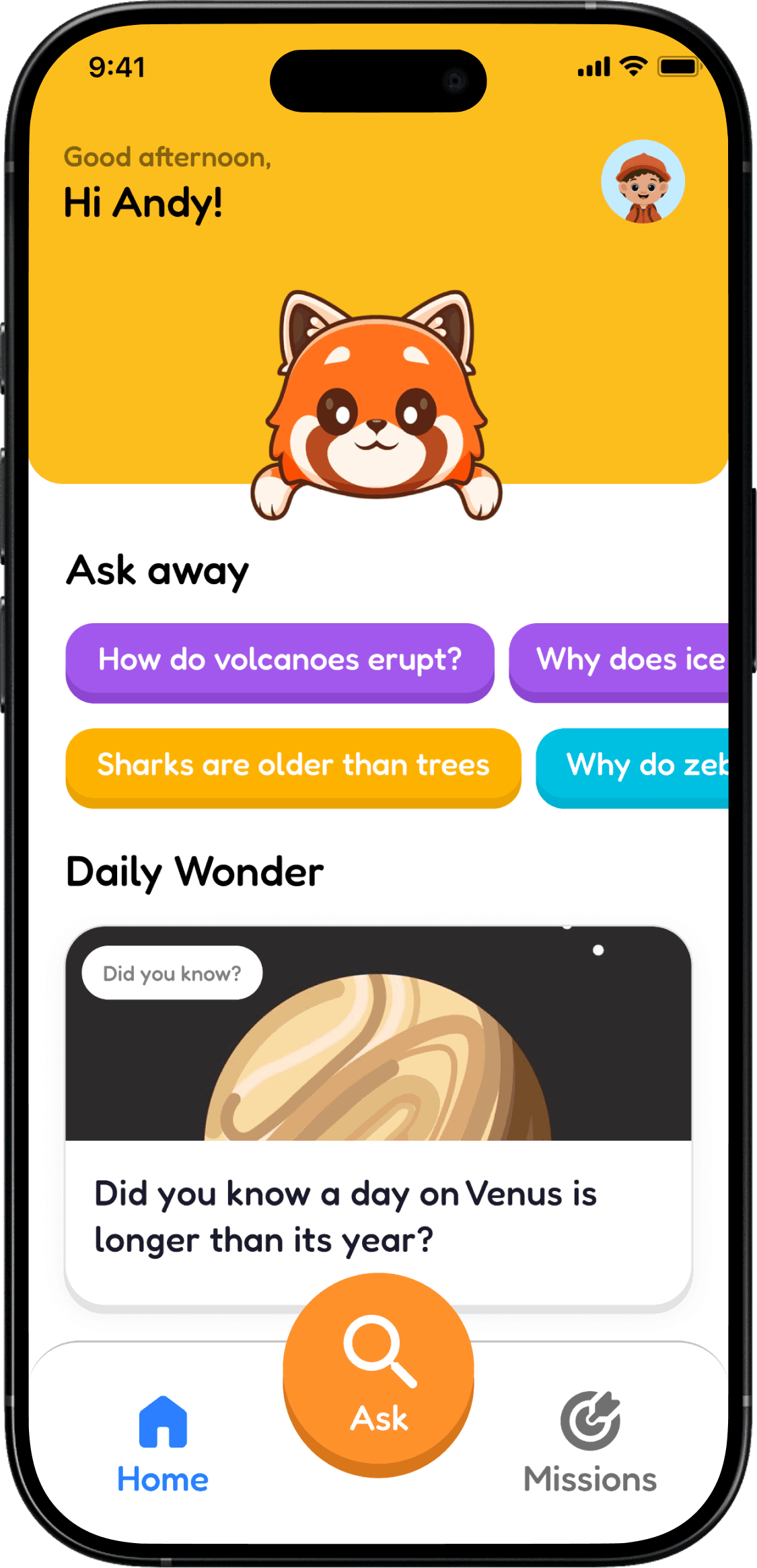
1. Home
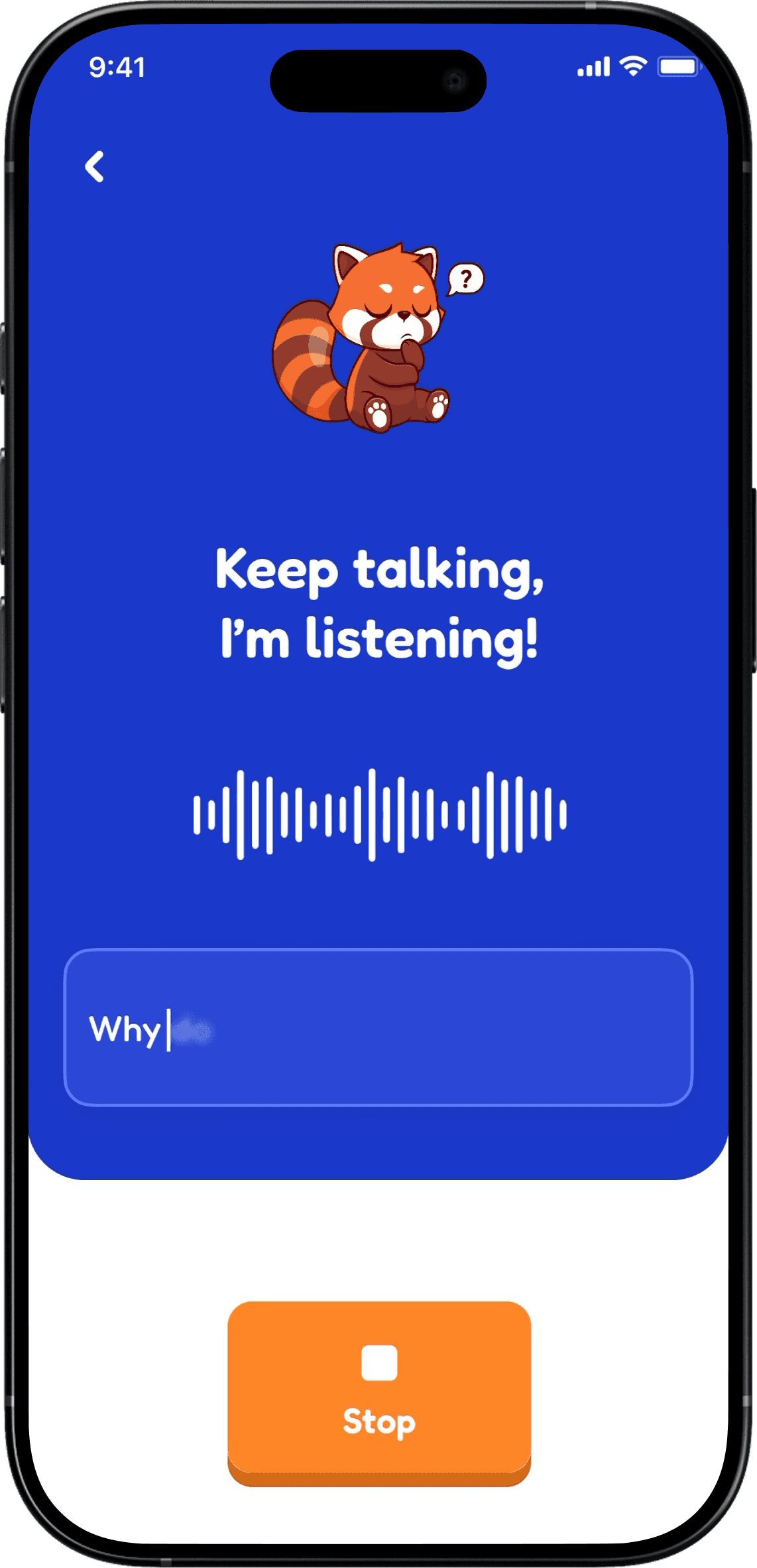
2 . Listening
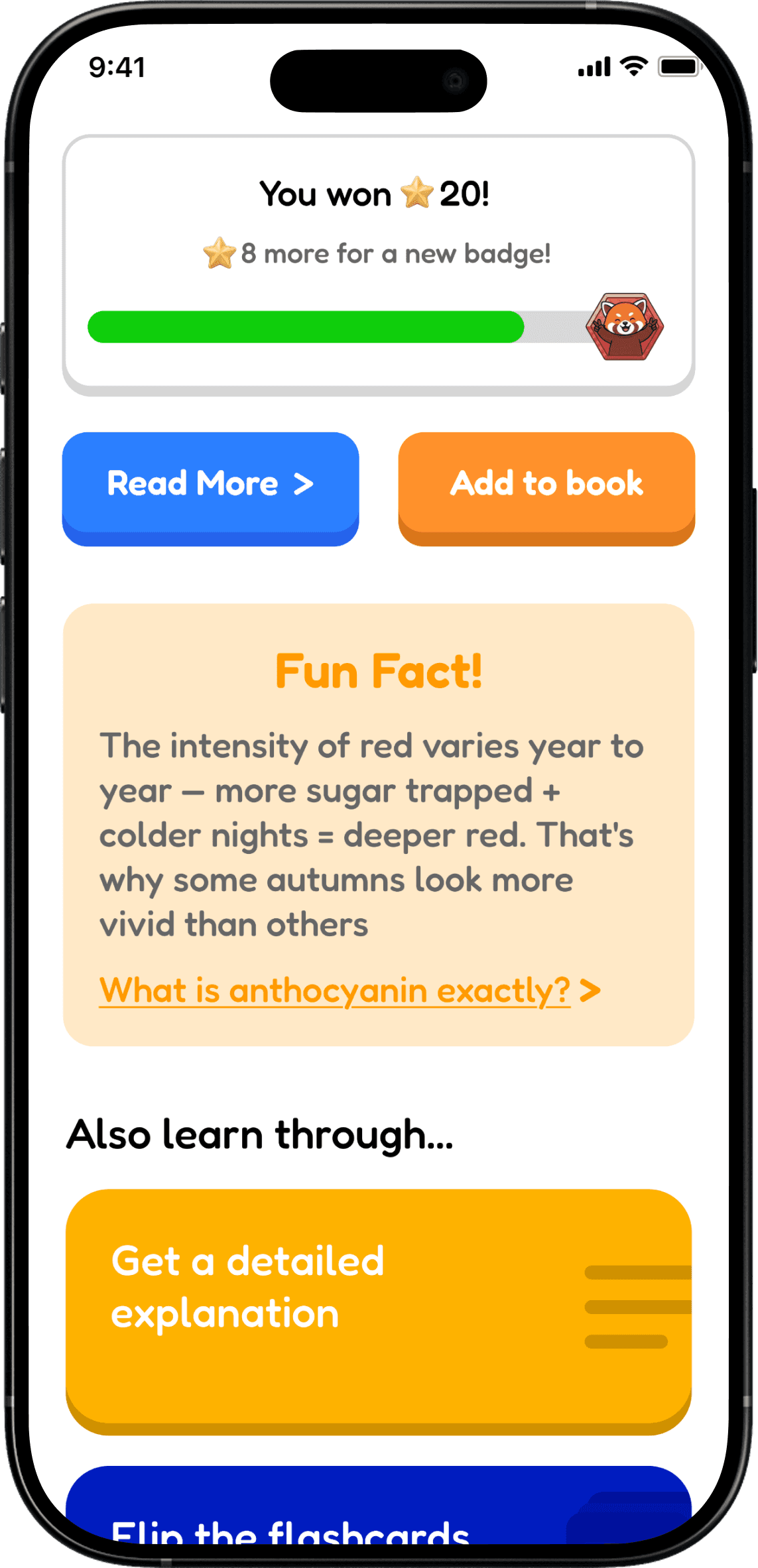
4 . Story
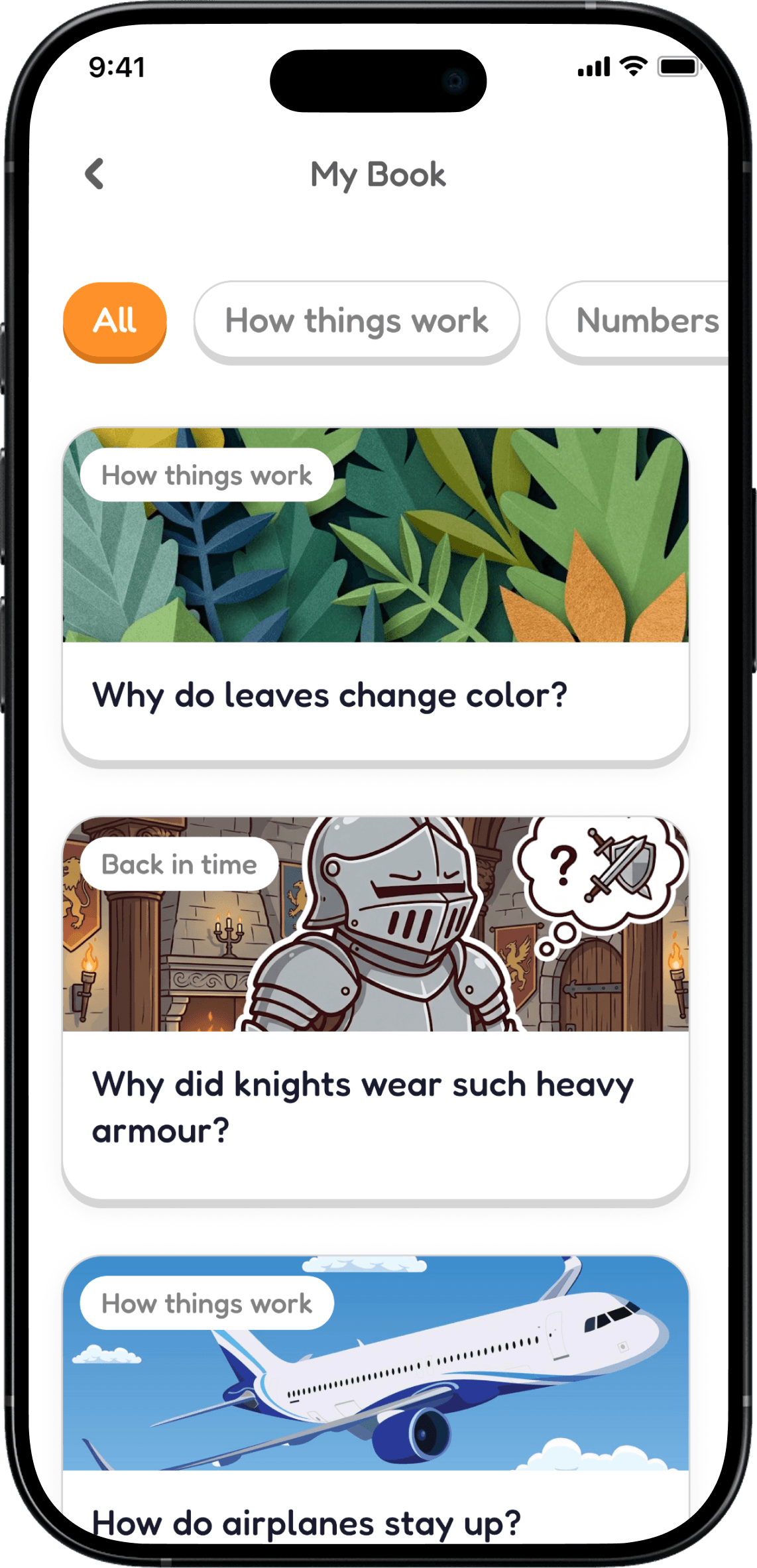
3 . My Book
UNDERSTANDING THE PROBLEM
Where Questions Go
When No One's Listening.
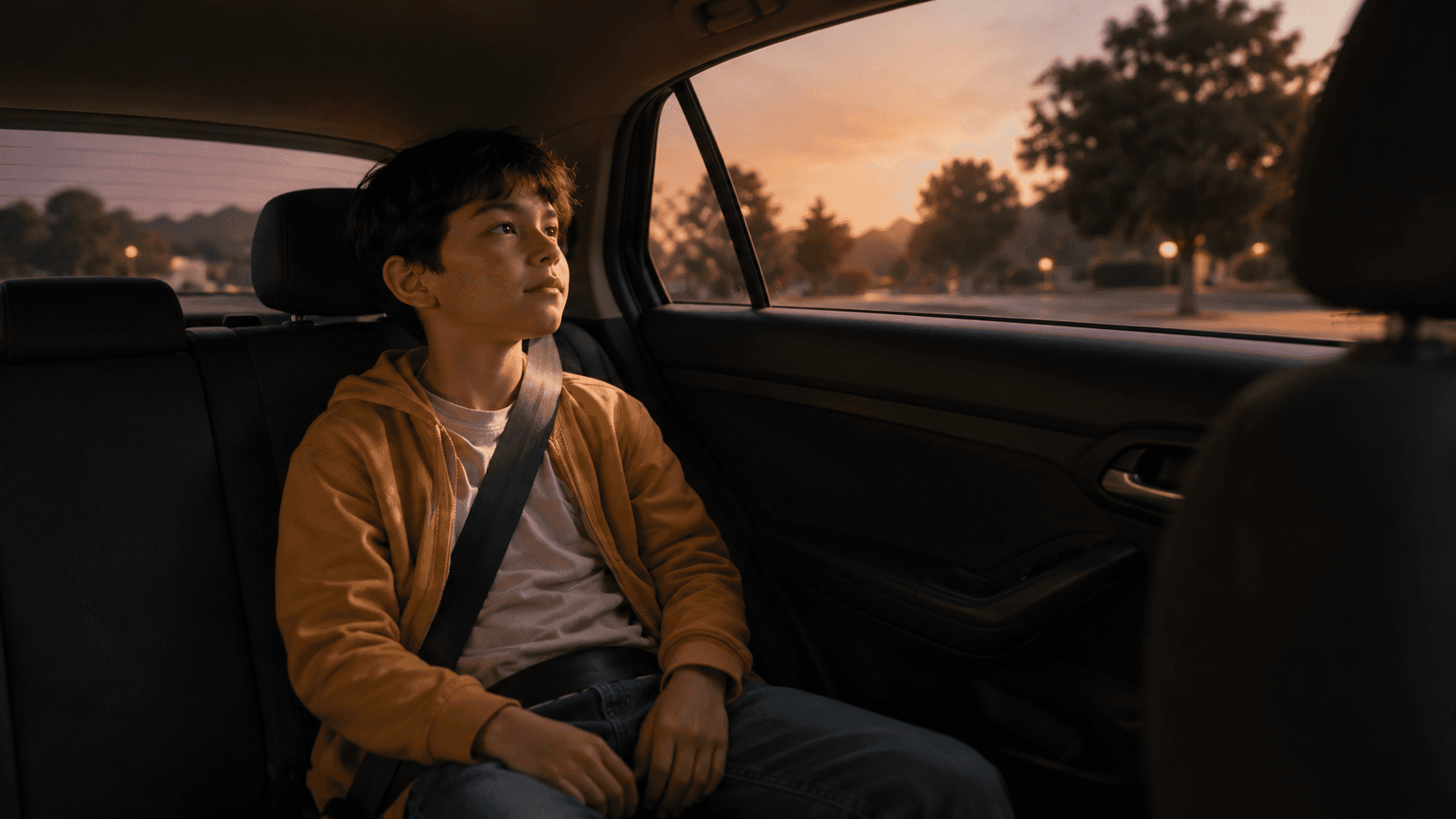

IN THE CAR
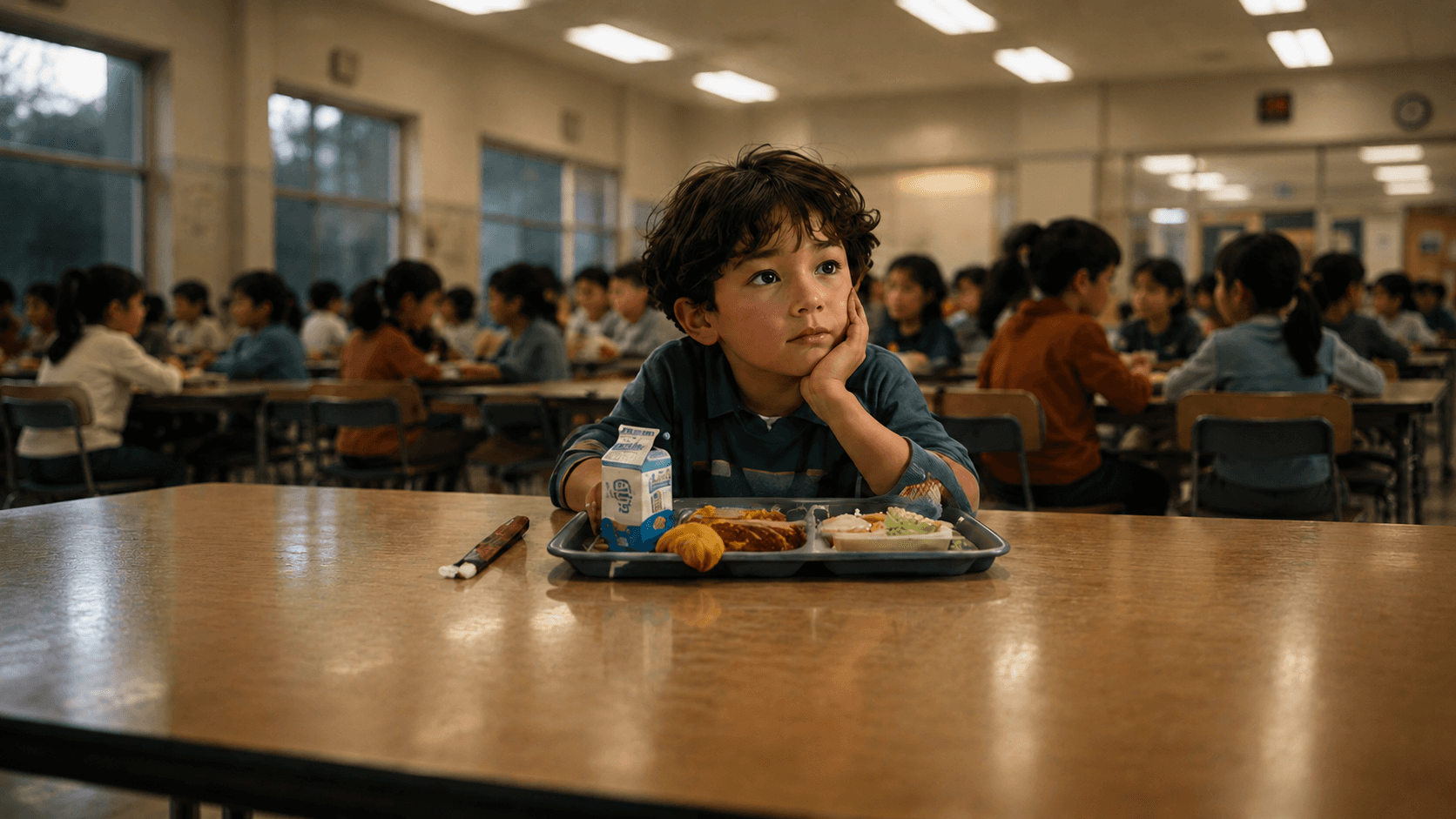

AT THE CAFETERIA

AT BED TIME
Kids are curious all day long - but the moments where they want answers most often are the moments when no one is available to answer them.
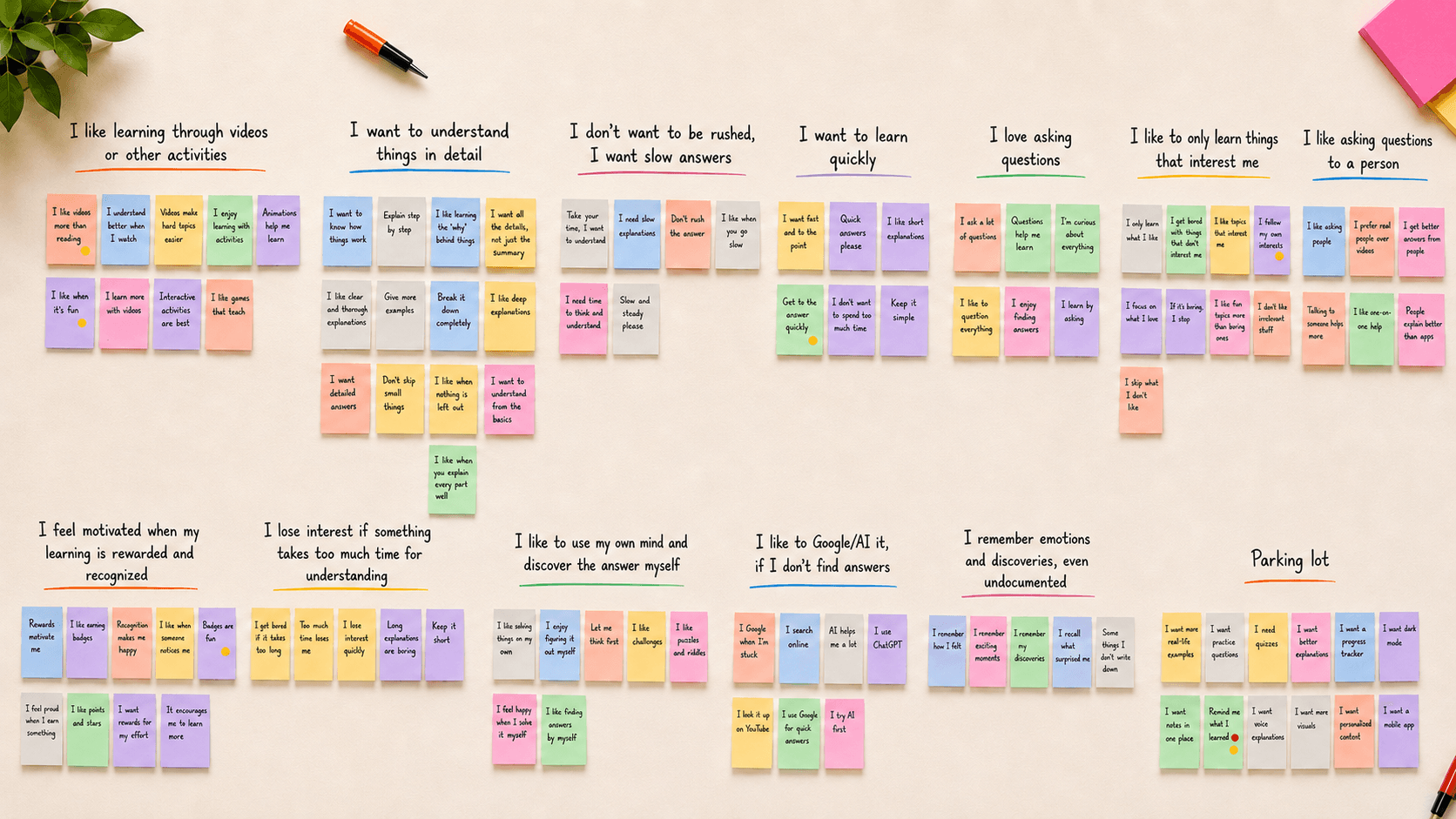
Learning from kids and not just about them
We interviewed 7 kids (ages 7–14) and 5 parents. The insight was clear: kids want quick answers, deep answers, and formats that make it fun and rewarding to learn.
❝
"I don't have patience
to search and find answers."
Kid Aged 13
❝
"I prefer explanations
like stories!"
Kid Aged 7
❝
"I love quizzes, it's
a more fun way to find answers."
Kid Aged 9
WHAT WE DID WITH THIS INFORMATION
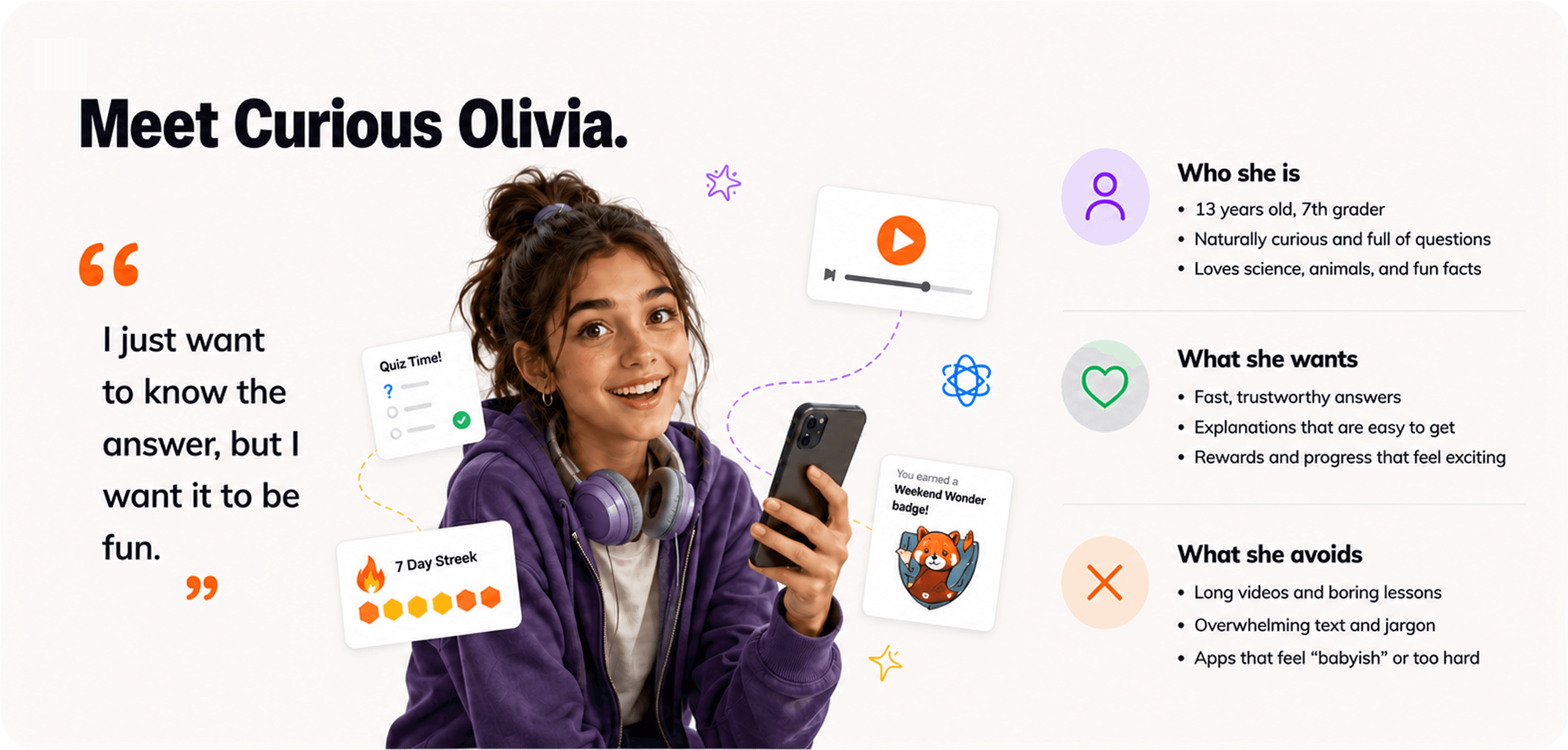
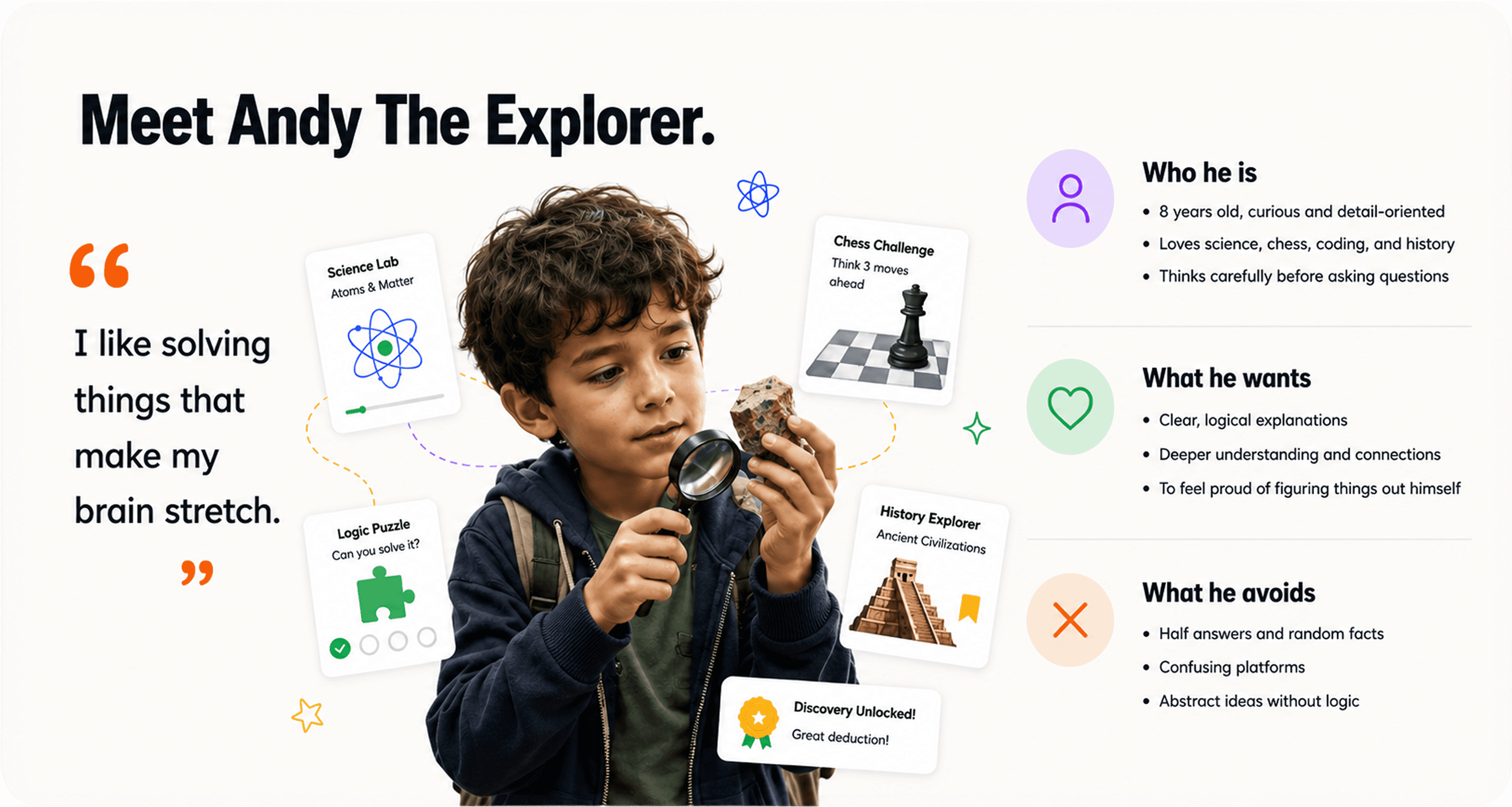
Meet Our Personas
Personas allowed us to gather our interviewees' personalities and helped us imagine who the app caters too.
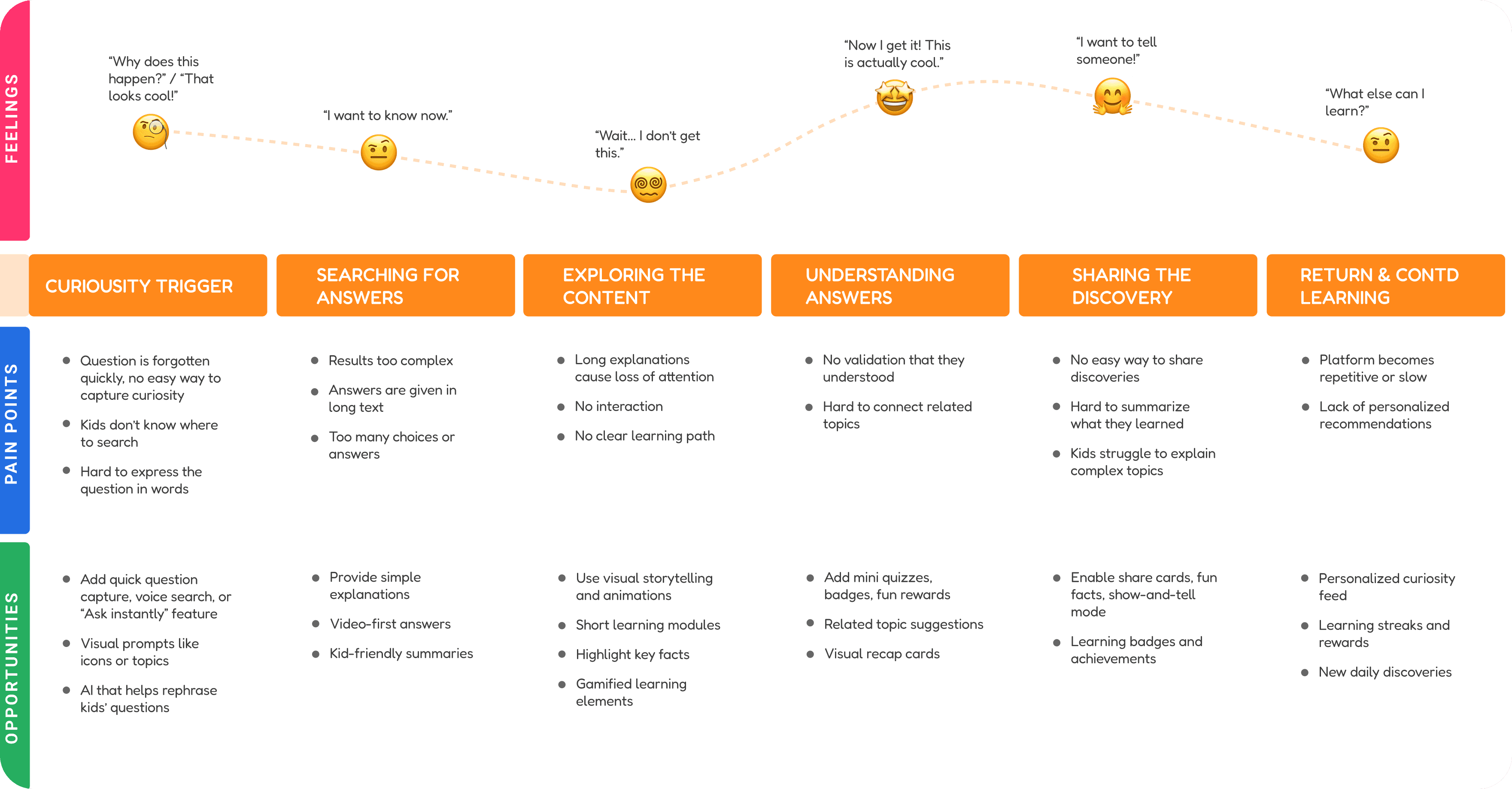
Journey Map
The Journey Map allowed us to understand the pain points and opportunities in the current scenario.
Competitor Analysis

Duolingo
They make learning feel rewarding with quick lessons, streaks, points, and levels.
Khan Academy Kids
They have a safe, calm, and parent-trusted learning space.

Abode.Space
They make interaction playful with customization and shared moments.

Youtube Kids
They make discovery feel easy with familiar video browsing.
WHAT IT MEANS FOR WHYLO
Curiosity should feel worth coming back to through gentle rewards, streaks, or progress loops.
Trust needs to be clear from the start through simple flows, safe content, and parent-friendly design.
Learning can feel more alive when kids can personalize, save, or share parts of their curiosity journey.
Discovery should feel natural, but more focused so kids do not get lost in endless content.
After which we created..
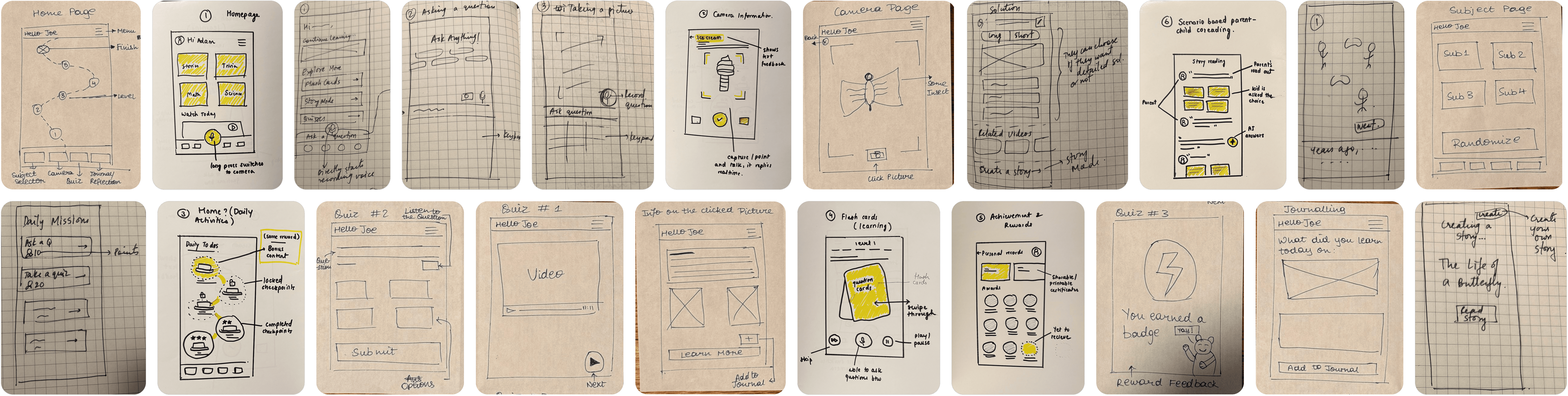
LOW FIDELITY SKETCHES
Eight Sketches
In Eight Minutes.
We gave ourselves 8 minutes to sketch 8 different ideas. No overthinking, just rapid exploration. The goal was to generate as many possibilities as possible and keep things simple, playful, and engaging for kids.
KEY FEATURES
What Whylo Does.
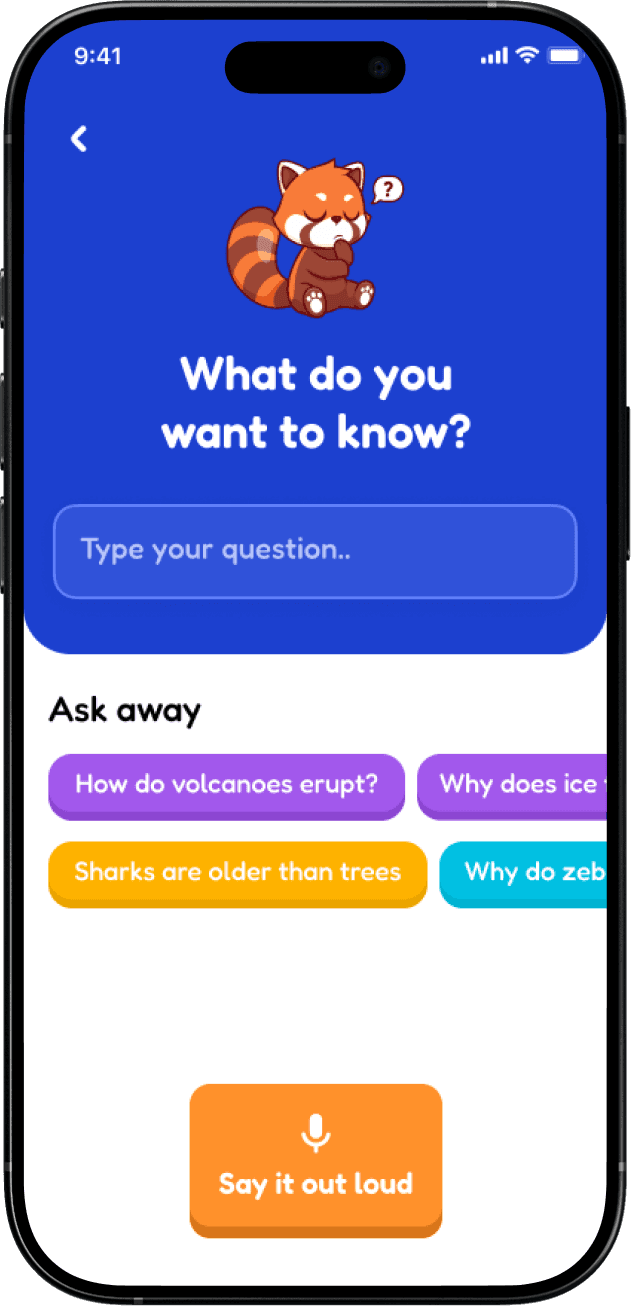
Tap and talk
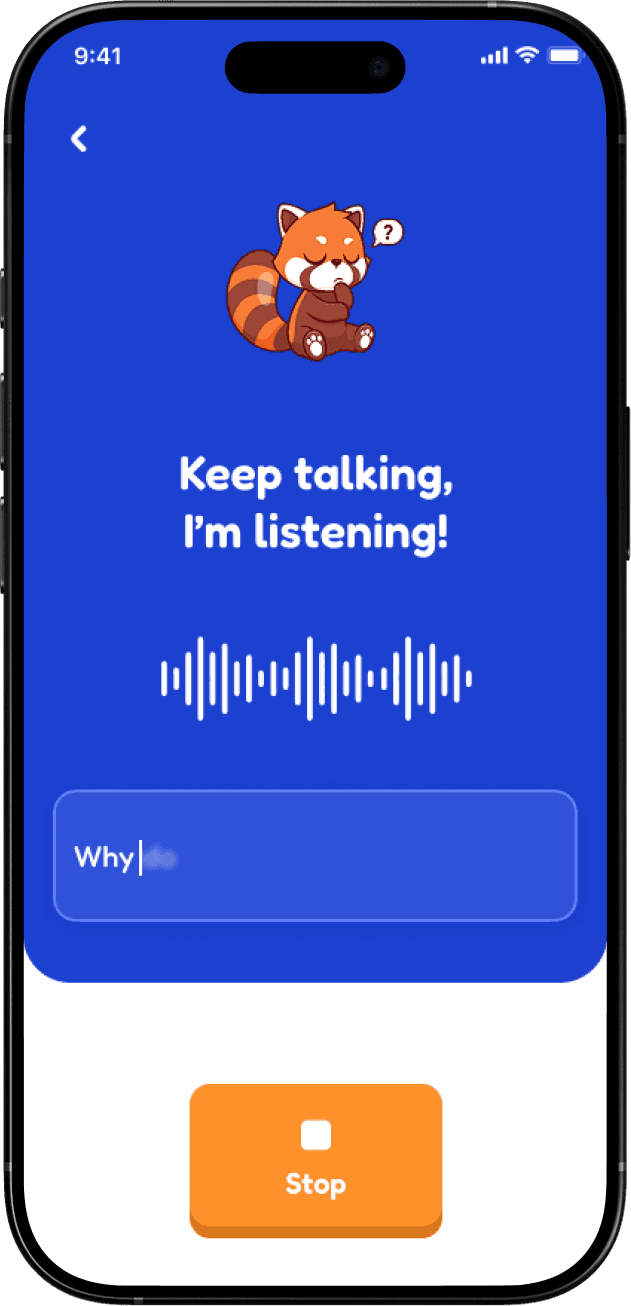
Ask anything using voice. Whylo listens and gets to work.
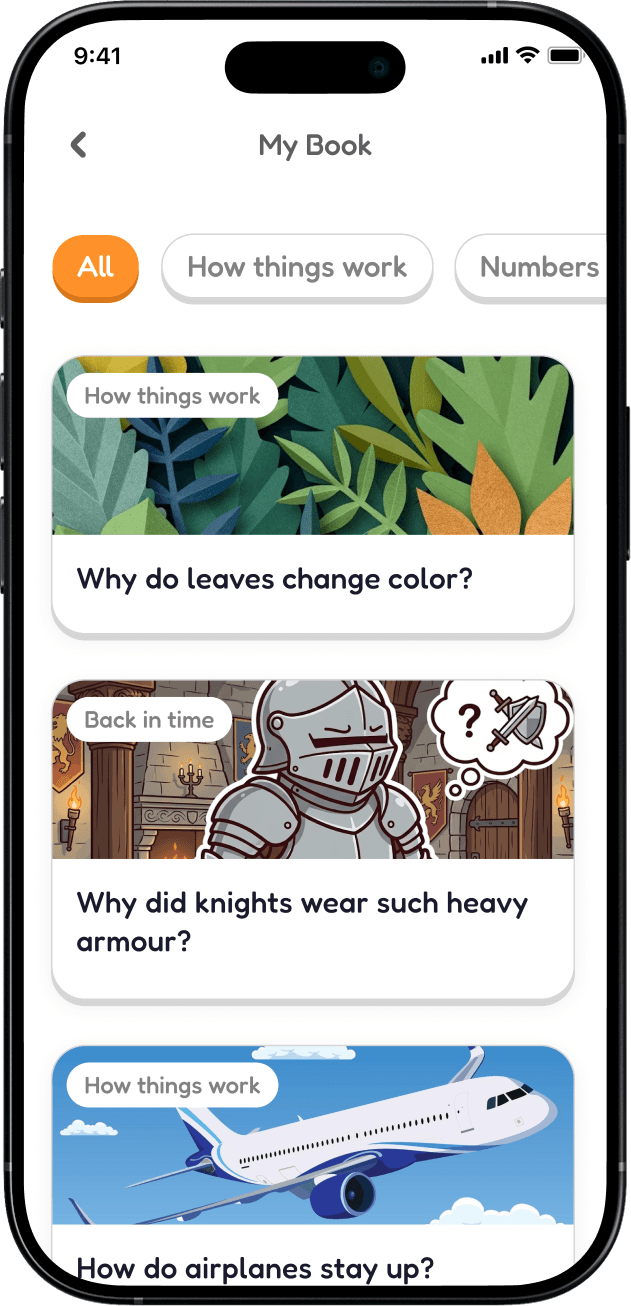
My Book
Save your favorite questions and answers in your personal scrapbook.
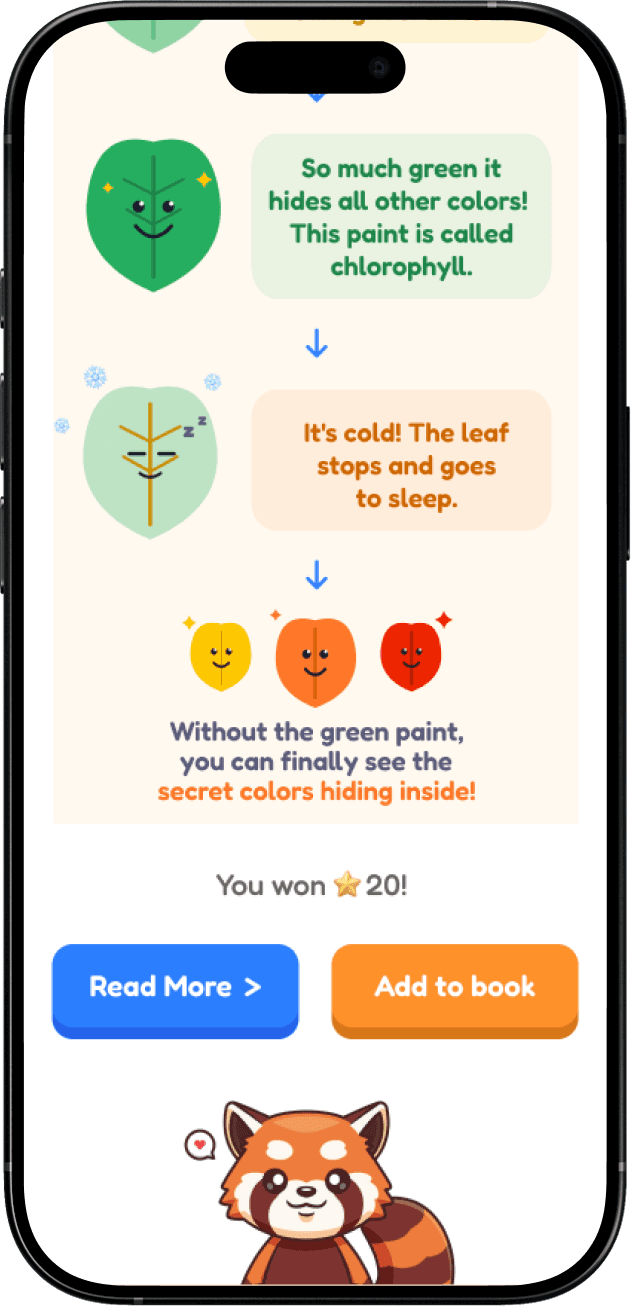
Two-level answers
Get a quick answer first, then explore deeper details if you're curious.
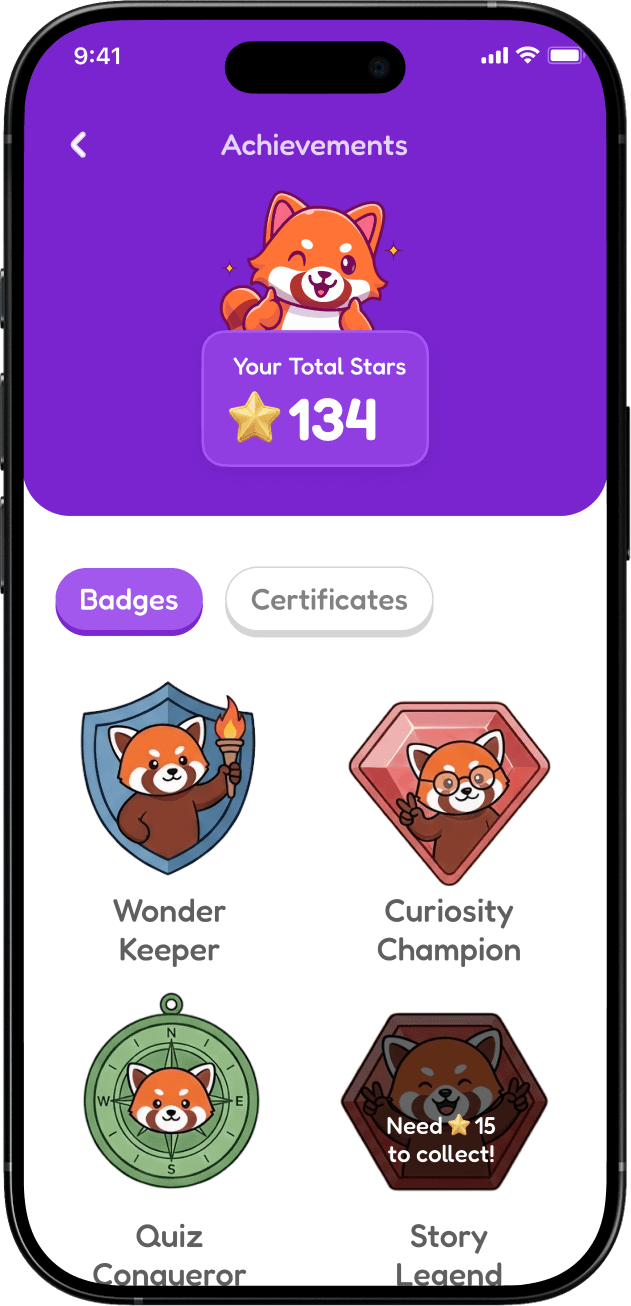
Achievements and streaks
Earn badges, stars, and build streaks as you keep exploring.
USER TESTING
The Features That Looked Great On A Board.
1
Our initial concept used an additional "Say it out loud" button to allow kids to write/speak on click. It looked thoughtful - but in practice, it felt like an additional step to ask their question.
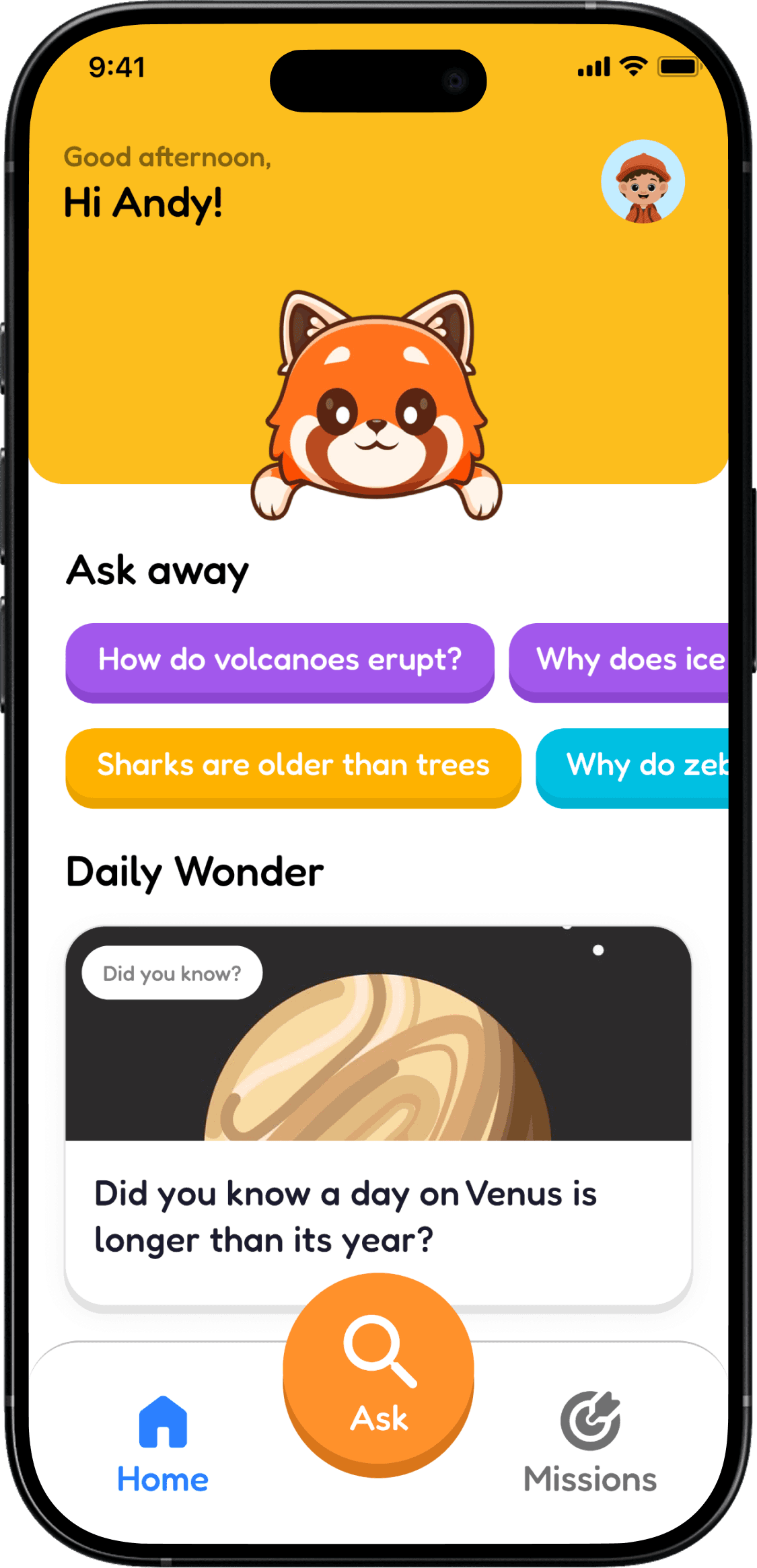
1
1. Ask
2
2. Tap to talk
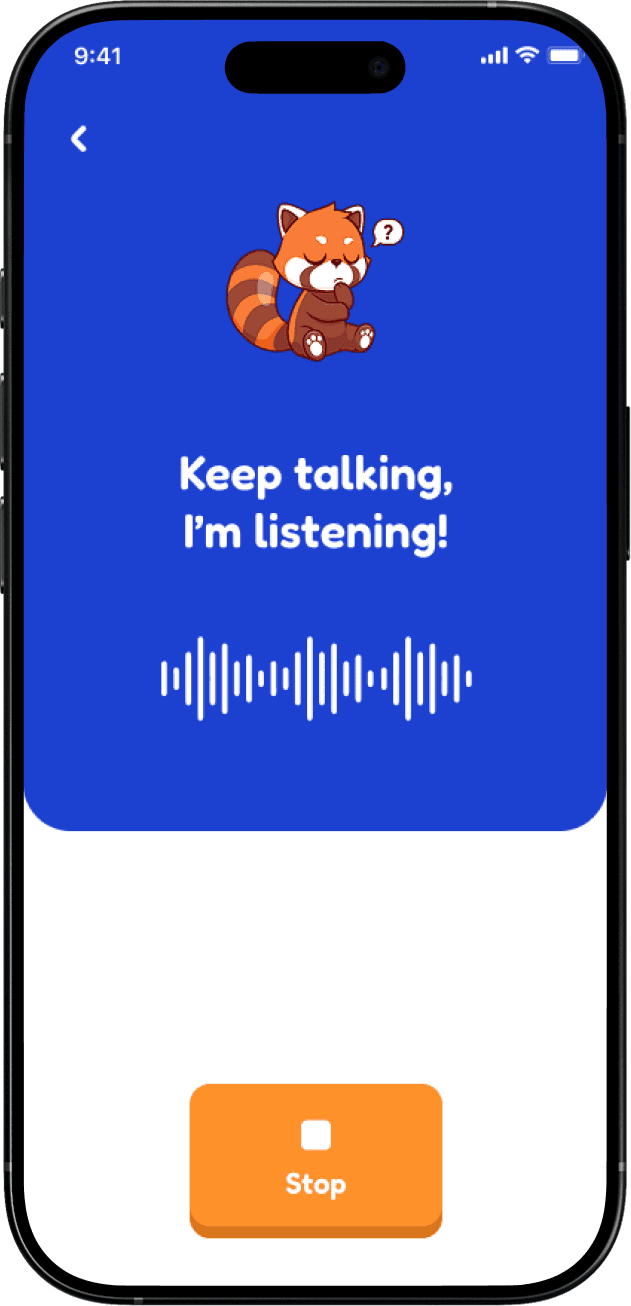
3
3. Talk
2
Our early journaling concept used a "Tell me!" prompt to encourage kids to write freely. It looked good on the board - but in practice, it felt like homework.
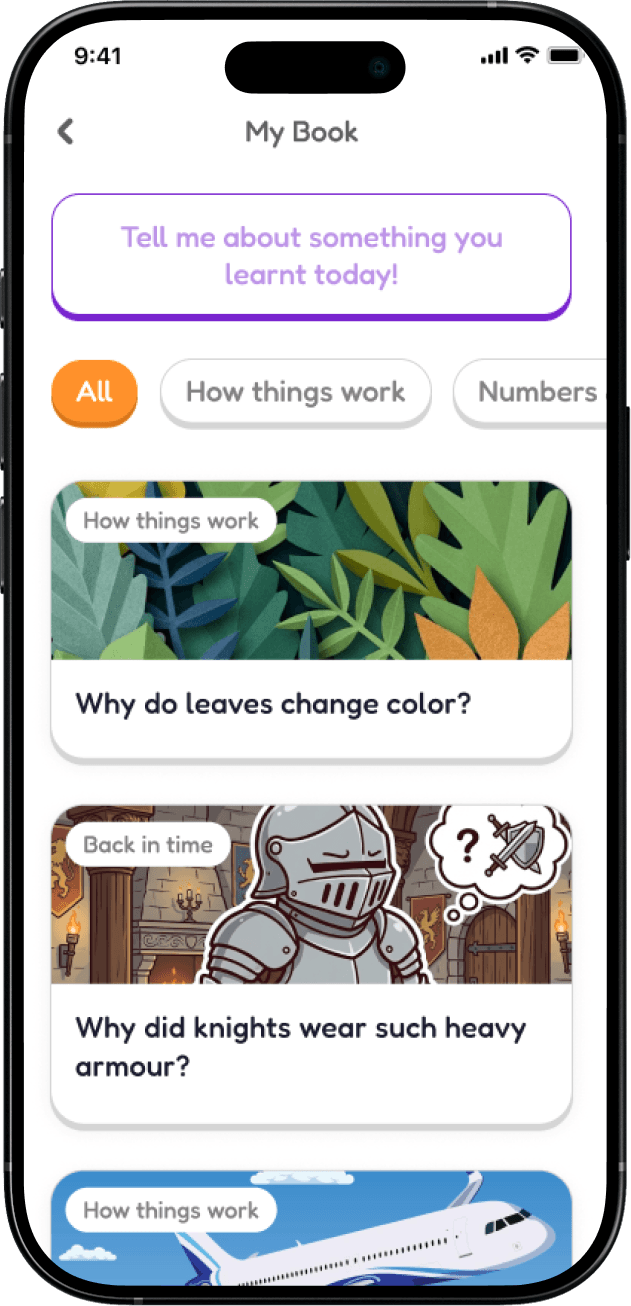
My Book w/Reflection
USER FEEDBACK
Four Kids. One Failure. Two Fixes.
We tested with four kids ages 7–9 to find what worked, what did not, and how we made it better.
❝
"The panda is so cute! It makes me feel like Whylo is my friend."
- Ava, age 8
❝
"That felt like homework, I don't think i would use it"
- Henry, age 7
❝
"I love getting stars! I want to show my book to my mom."
- Liam, age 12
❝
"I did not know it was listening. It felt like nothing was happening."
- Noah, age 10
Fixes
A kid said they did not know the mic was listening, even with the waveform. So we added live transcription, letting kids see their words appear as they speak.
1
1. Ask
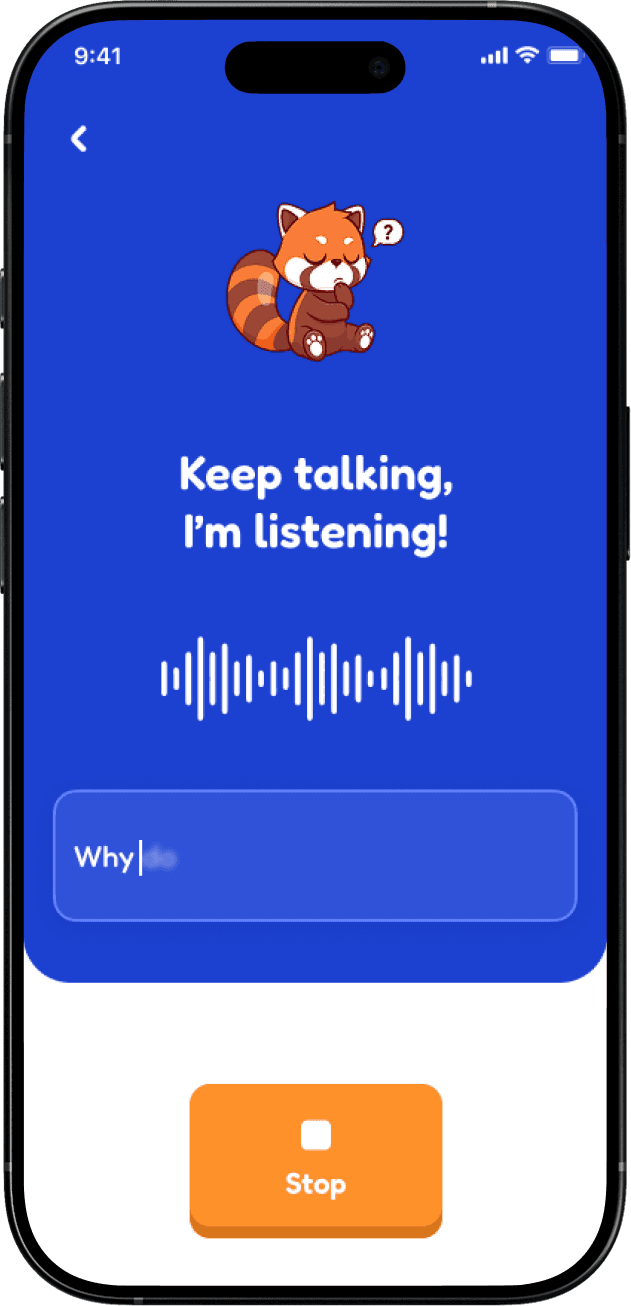
2
2. Talk
Change
A younger tester felt the reflection prompt looked like homework and did not know what to write. So we removed the open-ended “Tell Me” moment and turned My Book into a simple saved-discoveries space kids could browse without pressure.
My Book without Reflection
What these kids taught Me.
Kids don’t always need more features. Sometimes, they just need clearer feedback. What felt obvious to us, like a waveform meaning “I’m listening” - wasn’t obvious to them.
SCREENSHOTS
The Full Build.
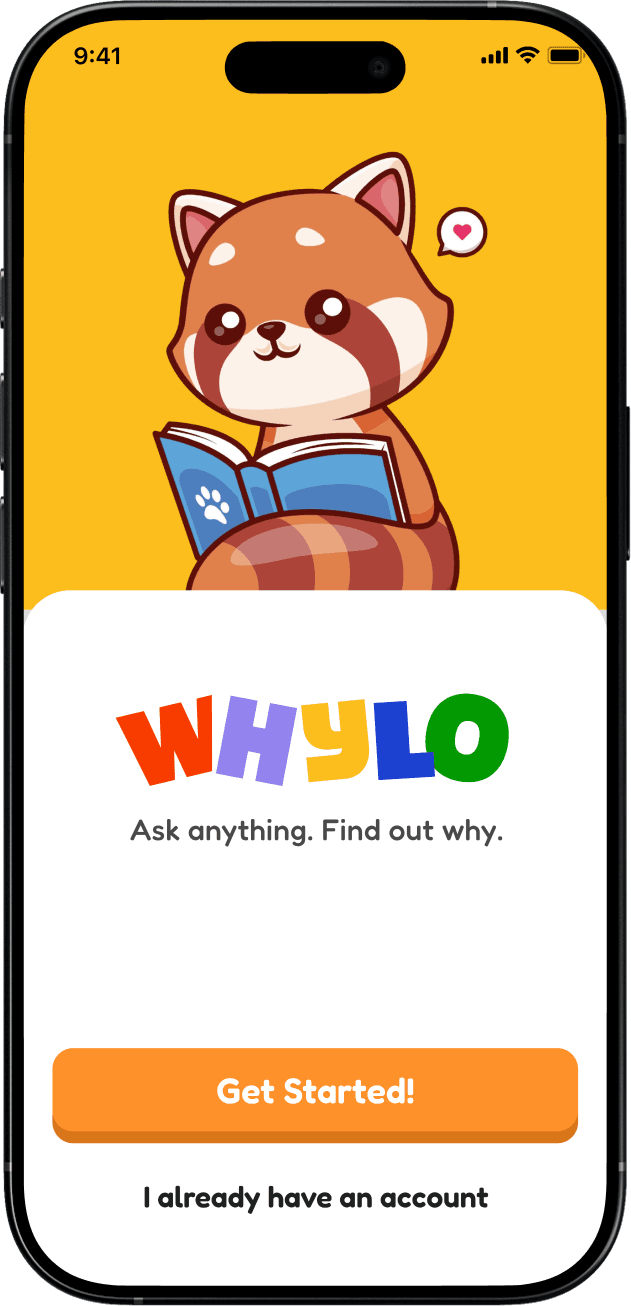
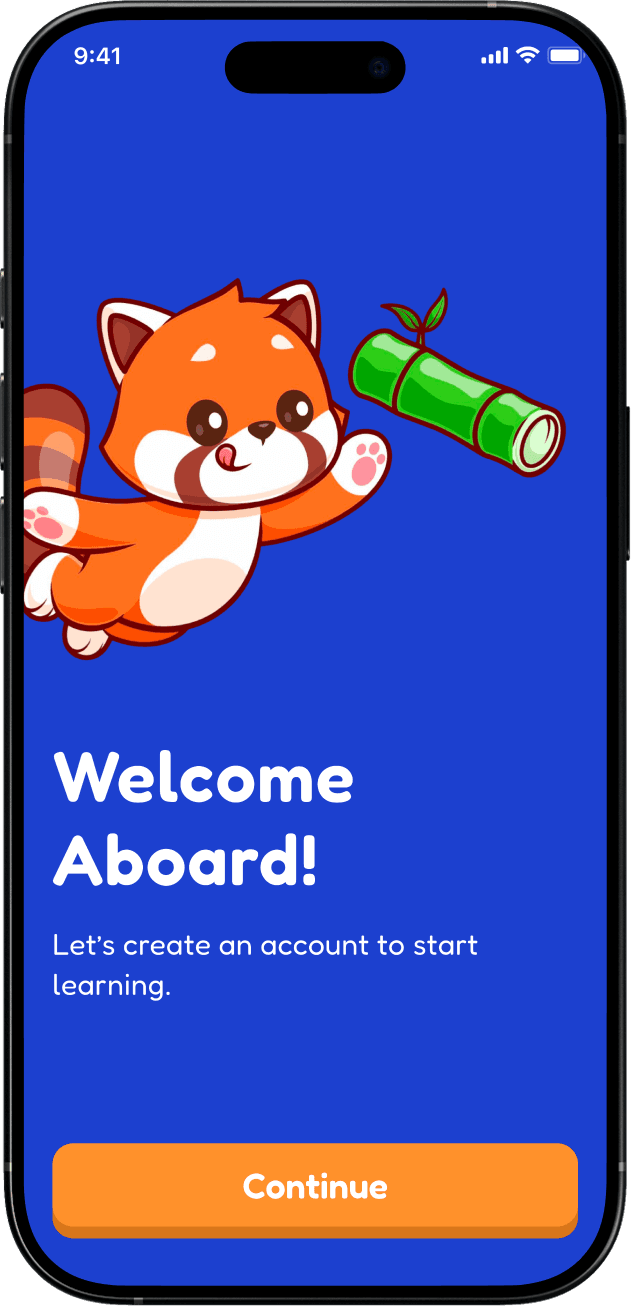
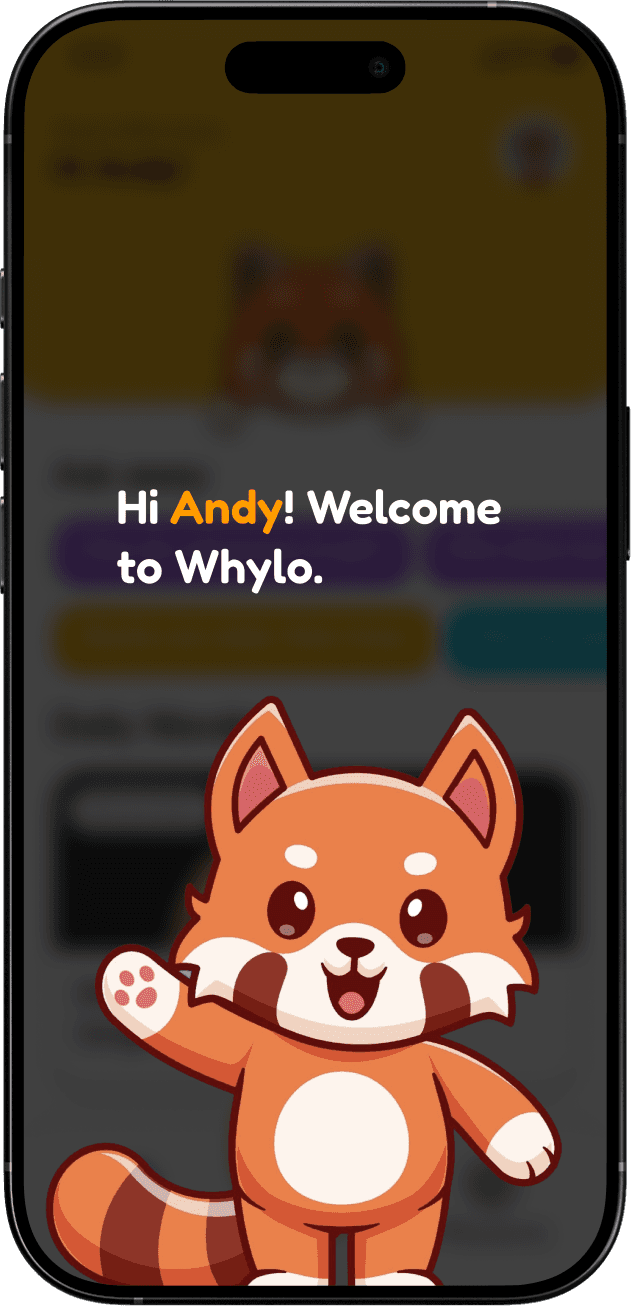
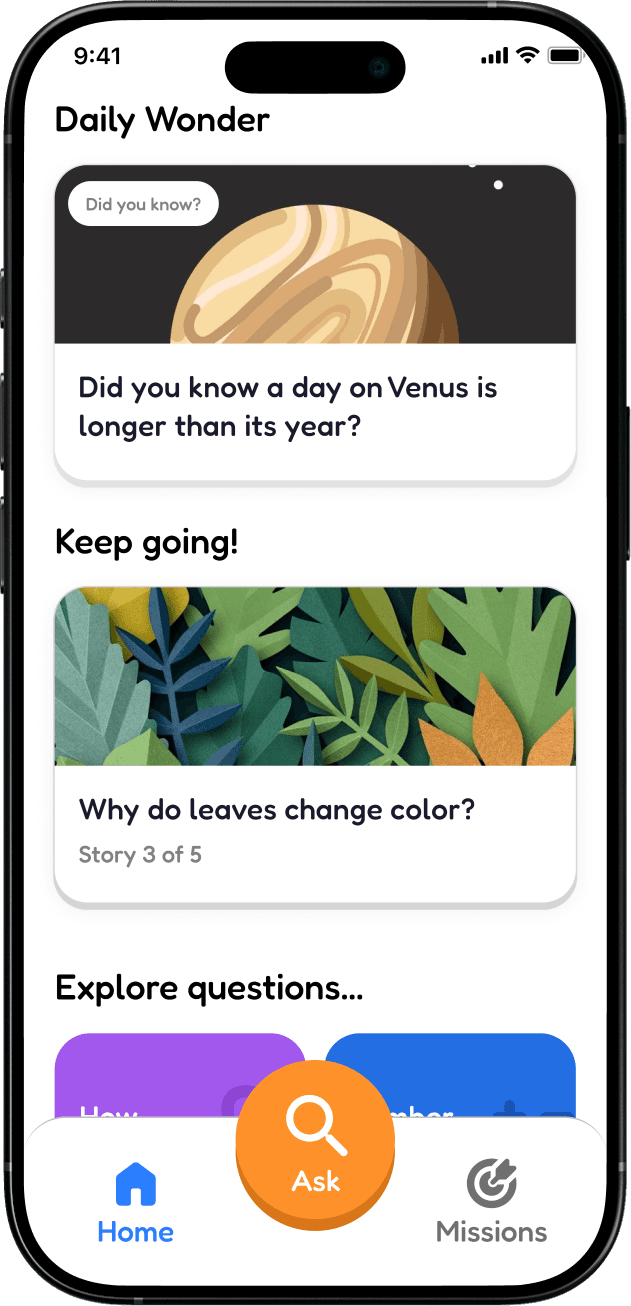
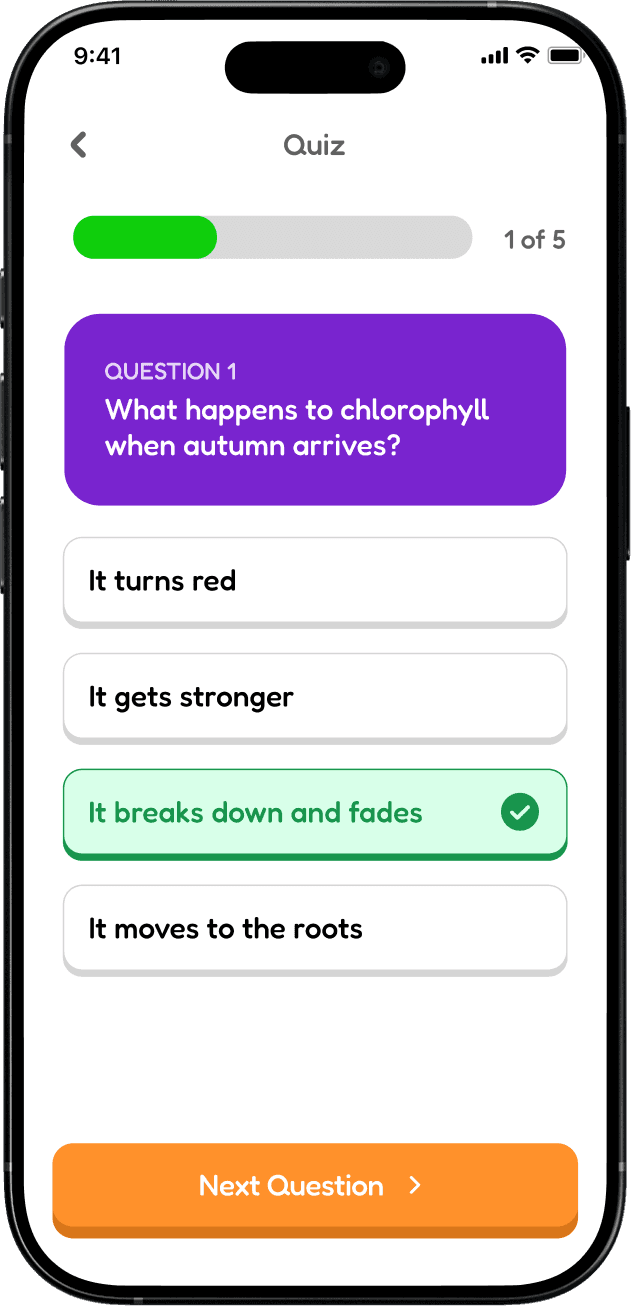
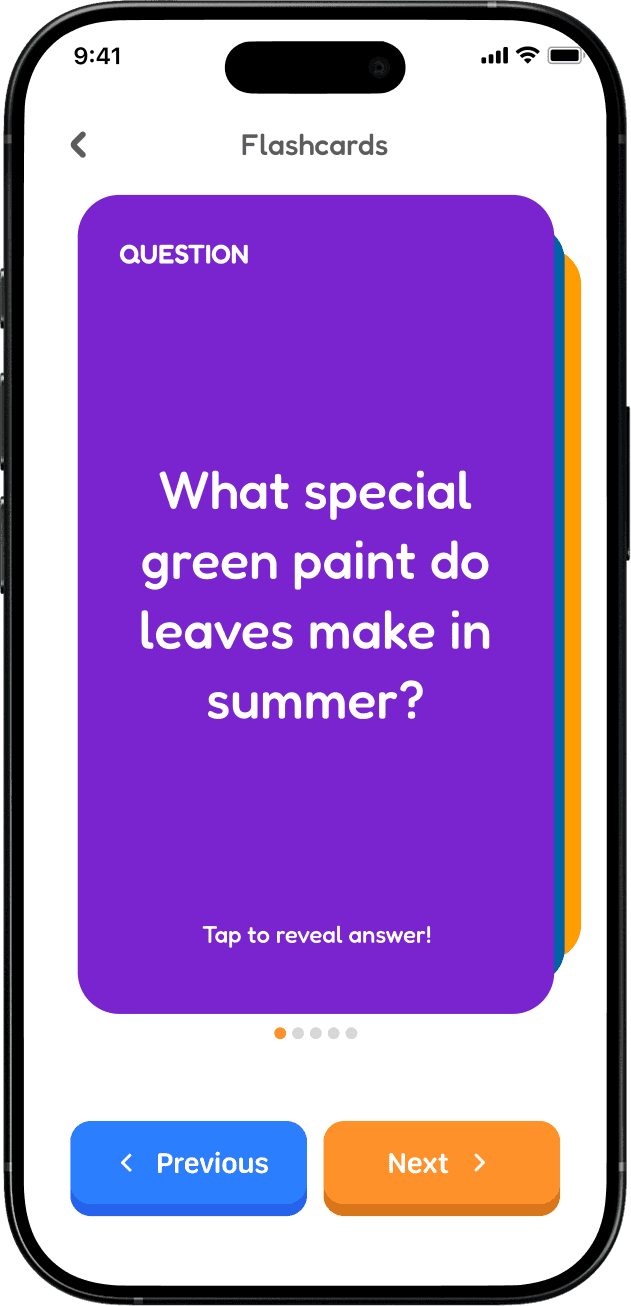
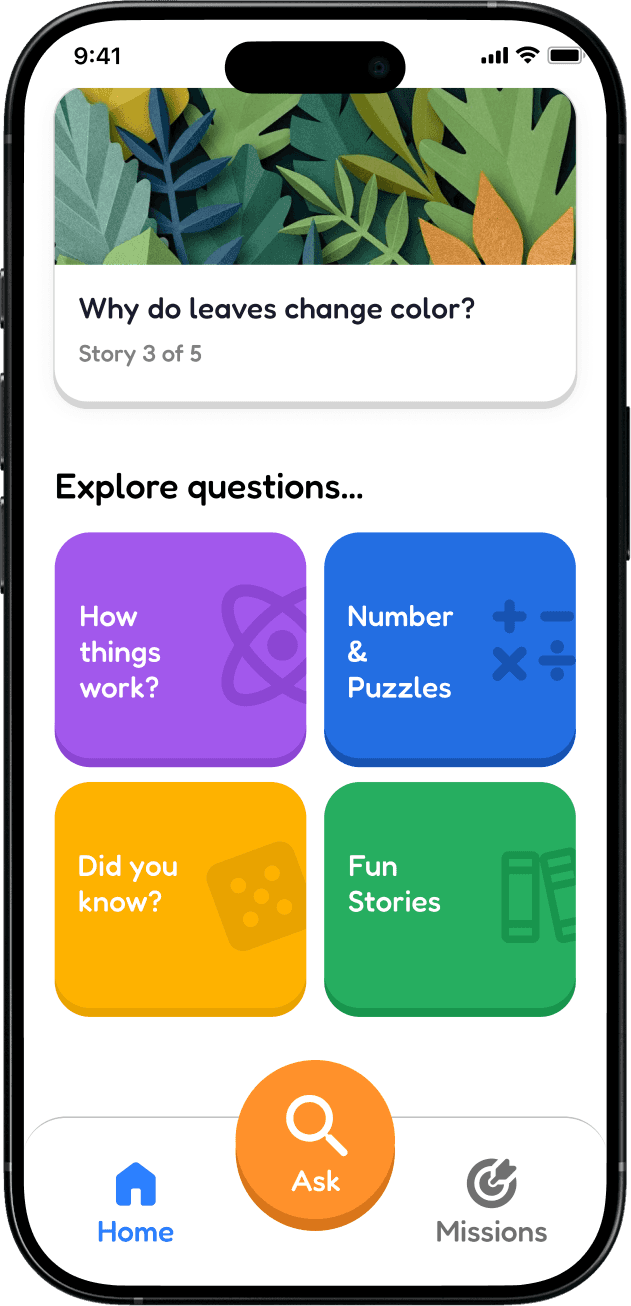
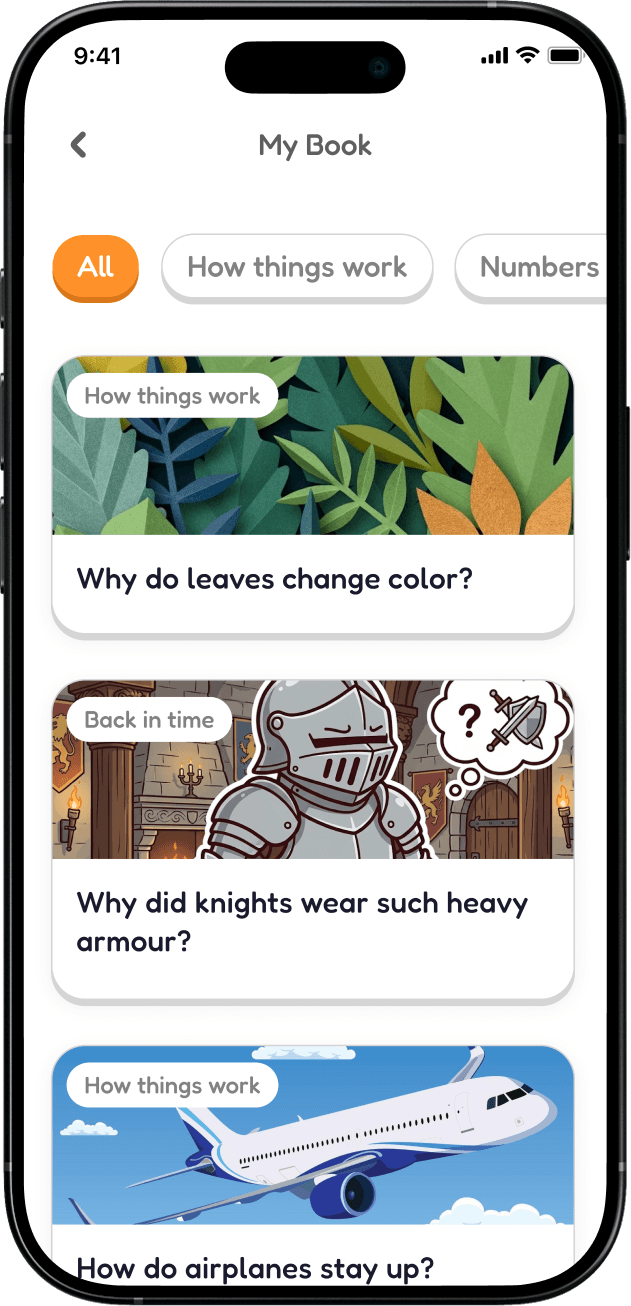
REFLECTING
What I'd Do
Differently.
If I could go back, I'd test the mic-first concept even earlier. It ended up being the heart of Whylo - kids loved being heard, and it opened the door for curiosity in a natural way. I'd also be more careful with adding adult-coded features too soon. Simplifying early would have helped kids focus on exploring rather than figuring out the app.
The biggest lesson? The gap between a thoughtful Figma feature and a truly playful kid experience is huge. The little things - tone, timing, feedback—make or break the magic. This project taught me what it would take to make Whylo real, not just look good on screen.